- Fusion på molekylært niveau af hotmeltforbindelse
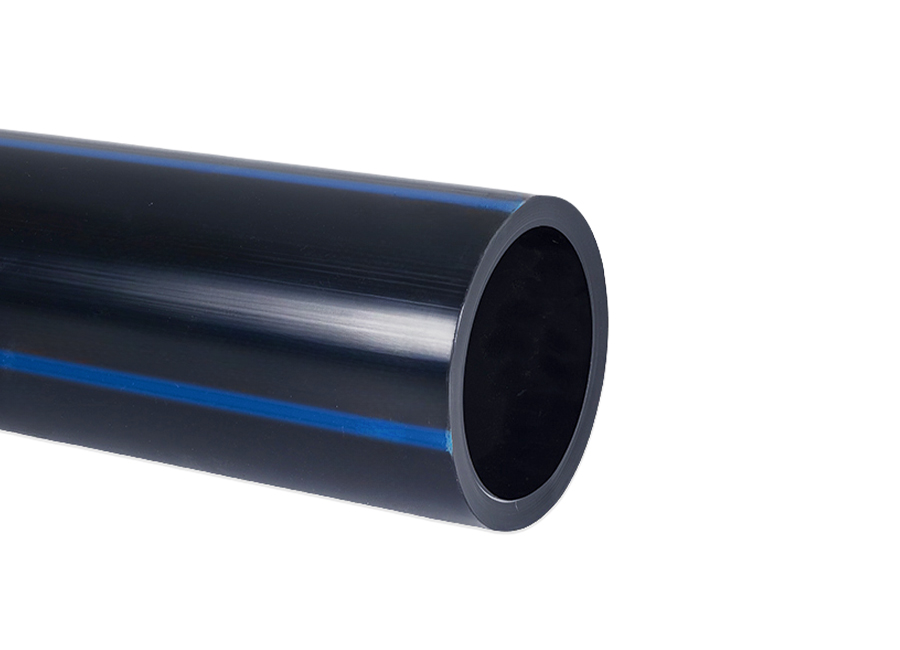
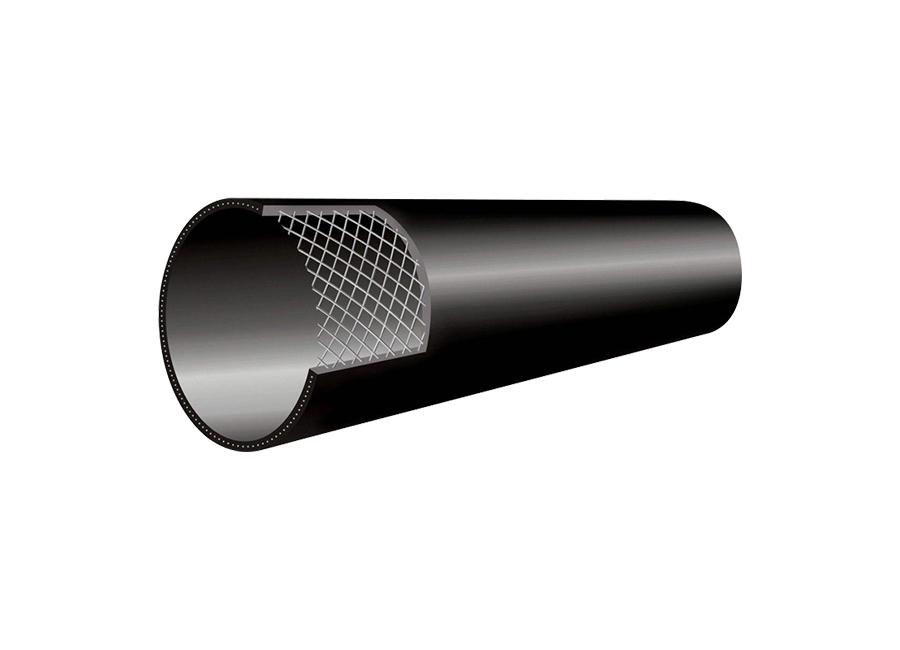
Molekylær diffusion og vikling Når den PE rør is hot-melted, the heating plate melts the surface of the pipe end (temperature 200-230℃), and the two ends of the PE pipe fitting are fitted under pressure. Polyethylene molecular chains diffuse and entangle with each other in the molten state, and form a homogeneous seamless connection after cooling, and its strength is even higher than that of the pipe body. Traditional flanges or mechanical connections rely on external seals, while hot melting achieves material body fusion, eliminates interface leakage paths, and prevents leakage of materials in the pipe.
Tredobbelt tætningsstruktur dannelse --
Curling shape: When heated, the pipe end is squeezed to form a uniform flange (height ≥ 10% of the pipe wall thickness), which becomes a ring-shaped reinforcement rib after cooling;
Fortætning af den smeltede zone: Smeltet PE udfylder de mikroskopiske defekter på rørets overflade og eliminerer porer og revner;
Pressure self-tightening effekt: The higher the internal pressure of the pipeline, the greater the compression force of the weld surface, and the stronger the sealing.
- Nøgletrin for at opnå "nul lækage"
| parameter | Standard sortiment | effect | Risiko for tab af kontrol |
| Opvarmningstemperatur | 200-230 ℃ | Sørg for tilstrækkelig smeltning | Utilstrækkelig temperatur → falsk svejsning; for høj temperatur → forkulning |
| Varmetryk | 0,15-0,3 MPa | Danner ensartede krøllede kanter | Ujævnt tryk → flangehøjdeafvigelse |
| Endoterm tid | Rørvægtykkelse (mm) × 10–12 sekunder | Varmen trænger dybt ind i rørvæggen | Utilstrækkelig tid → utilstrækkelig penetration |
| Skiftetid | ≤5 sekunder | Undgå oxidation af den smeltede overflade | Overarbejde → overfladehærdningsfejl |
| Afkølingstid | Rørvægtykkelse (mm) × 1–1,5 minutter | Molekylær kæde krystallisation størkning | Tidlig forstyrrelse → intern stress revner |