For de fleste vogforsynings-, drænings- og kunstvandingsprojekter, PVC rør er det bedre valg — det giver overlegen stivhed, lettere installation, lavere materialeomkostninger og et bredere udvalg af beslag. HDPE-rør overgår imidlertid PVC i applikationer, der kræver fleksibilitet, slagfasthed i frostvejr og modstand mod jordbevægelser. Det rigtige svar afhænger af dine specifikke projektforhold, ikke en generel præference for det ene materiale frem for det andet.
Denne vejledning gennemgår alle ydeevnedimensioner, der betyder noget i et rigtigt projekt – trykklassificering, kemisk modstandsdygtighed, temperaturgrænser, installationsmetode, levetid og miljøforhold – så du kan træffe en evidensbaseret materialebeslutning i stedet for at stole på vaner eller rygter. Om du specificerer PVC trykrør til vandforsyning , vælge underjordisk PVC drænrør , eller ved at evaluere HDPE for en rendefri installation, giver dataene i denne artikel dig den sammenligning, du har brug for.
| Ansøgning | Anbefalet materiale | Nøgleårsag |
|---|---|---|
| Kommunal vandforsyning (begravet) | PVC | Stiv, omkostningseffektiv, dokumenteret 50 års levetid |
| Boligafløb og kloak | PVC | Glat inderside, bredt tilpasningsområde, let limning |
| Landbrugsvanding | PVC | UV-stabiliserede kvaliteter, muligheder for bred diameter |
| Udgravningsfri / retningsbestemt boring | HDPE | Fleksibilitet gør det muligt at trække gennem boringen uden samlinger |
| Fryse-tø eksponeret jord | HDPE | Høj slagfasthed ved minusgrader |
| Varmt vand / høj temperatur service | Hverken - brug CPVC eller PPR | Både PVC og HDPE har temperaturbegrænsninger under 60°C |
Hvad er PVC-rør, og hvordan er det lavet?
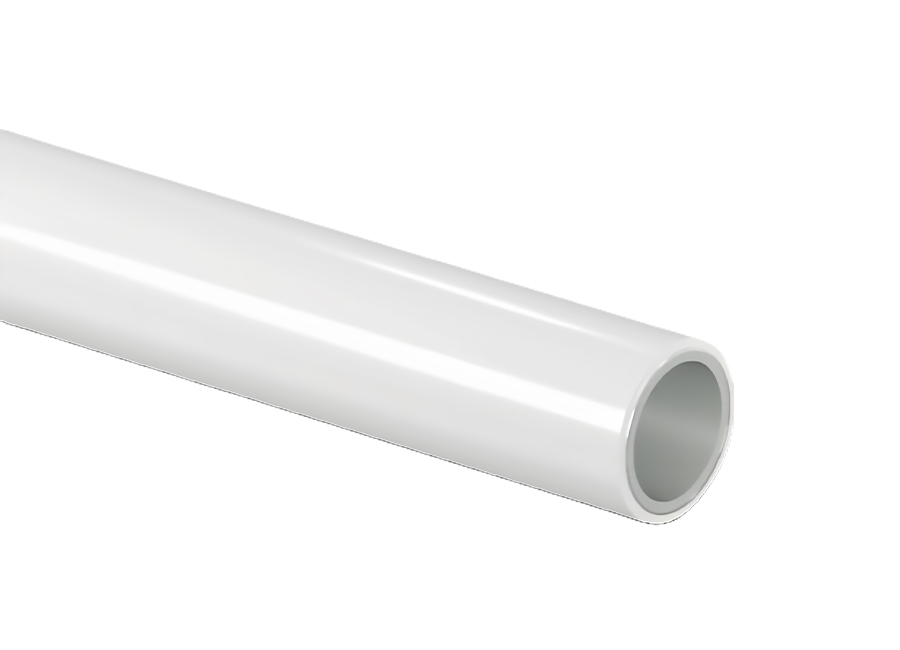
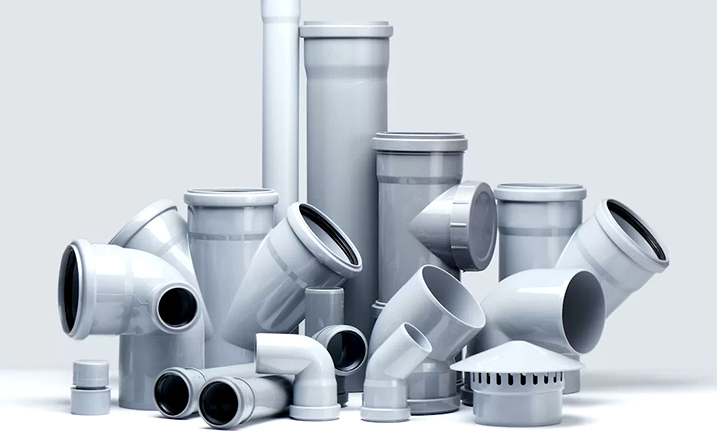
PVC (Polyvinyl Chloride) rør fremstilles ved at ekstrudere en blanding af PVC-harpiks med stabilisatorer, smøremidler og slagmodificerende midler gennem en matrice for at danne et stift, dimensionelt præcist rør. PVC er verdens tredje mest udbredte syntetiske plastpolymer , med globale rørapplikationer, der årligt forbruger estimeret 40 % af al PVC-harpiksproduktion (Kilde: European PVC, 2023 Market Data). Resultatet er et hårdt, glatvægget rør med fremragende dimensionsstabilitet og velforståede mekaniske egenskaber.
Tre hovedkvaliteter dominerer rørmarkedet. Standard PVC rør (uPVC eller uplastificeret PVC) er helt stiv og bruges til koldtvandsforsyning, dræning og kunstvanding. CPVC (Chlorinated PVC) udvider temperaturområdet til cirka 93°C, hvilket gør det velegnet til varmtvandsdistribution. PVC-O (Molecularly Oriented PVC) er en trykoptimeret kvalitet fremstillet ved biaksial orientering, der tilbyder op til 50 % højere slagfasthed og 25 % større udmattelsesstyrke end standard uPVC ved tilsvarende vægtykkelse (Kilde: TEPPFA Technical Report, 2021).
Som professionel PVC rør manufacturer , Jiangyin Huada producerer PVC-rørserier i flere kvaliteter og dimensioner, der opfylder internationale standarder for både bolig- og industriapplikationer. Produkterne fås med forskellige trykklassificeringer, diameterintervaller og overfladebehandlinger, der passer til dem PVC vandrør , dræning og PVC vandingsrør krav.
Hvad er forskellen mellem PVC, UPVC og CPVC?
Terminologien bruges ofte i flæng, men har præcise tekniske distinktioner. uPVC (uplastificeret PVC) indeholder ingen blødgørere og er helt stiv - dette er standardmaterialet for de fleste PVC trykrør og drænapplikationer. CPVC er kemisk kloreret efter polymerisation, hvilket hæver dens varmeafbøjningstemperatur til omkring 93°C. PVC-M (modificeret PVC) indeholder stødmodifikatorer for forbedret sejhed i kolde klimaer. For de fleste civil- og landbrugsprojekter er uPVC den korrekte specifikation, medmindre varmtvandsservice er påkrævet.
Hvad er HDPE rør, og hvor fungerer det Excel?
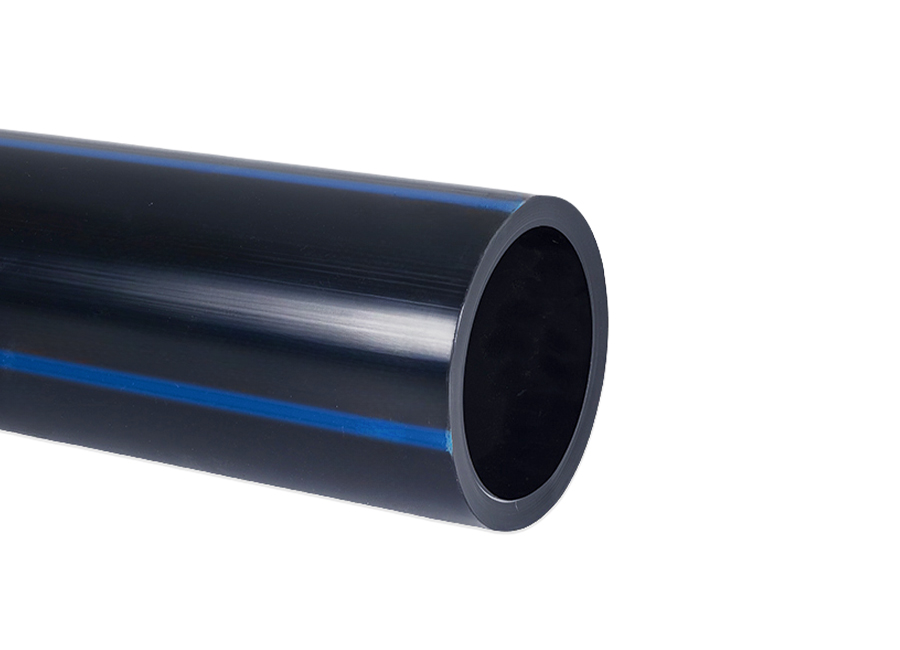
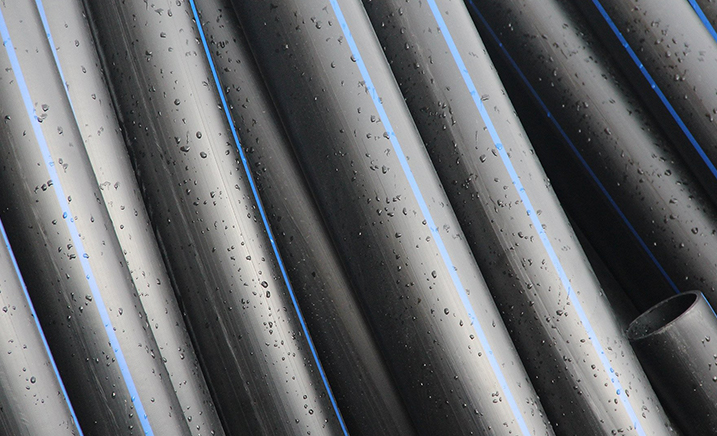
HDPE (High-Density Polyethylene) rør er fremstillet af ethylenpolymerkæder med høj densitet og lav forgrening, hvilket producerer en semi-krystallinsk termoplast, der samtidigt er sej, fleksibel og kemisk inert. I modsætning til PVC forbliver HDPE duktil ved temperaturer under nul og kan modstå gentagne bøjninger uden at revne - en egenskab, der gør det til det foretrukne materiale til retningsbestemt boring, slip-lining rehabilitering af gamle rør og installationer i seismisk aktive eller frost-hævede jordarter.
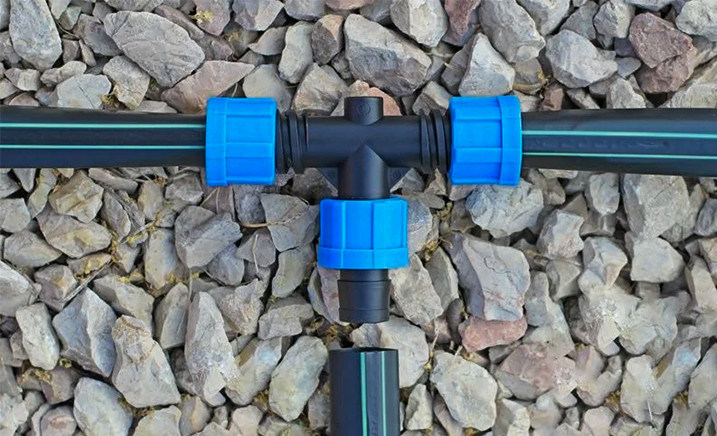
HDPE-samlinger er lavet af stødsammensmeltning, elektrofusion eller mekaniske kompressionsfittings - alt sammen skaber monolitiske, fuldstændigt fastholdte forbindelser. Fraværet af opløsningsmiddelsvejsede klokke-og-tap-samlinger betyder, at der er ingen diskrete ledfejlpunkter langs kontinuerlige HDPE-kørsler , hvilket er en væsentlig fordel ved opgravningsfri installationer, hvor eftersyn efter installation er upraktisk.
Afvejningen er omkostninger og installationskompleksitet. HDPE fusionsudstyr kræver en højere kapitalinvestering end PVC solvent cementværktøjer, og fusionsoperatører kræver typisk træning og certificering. For vandlednings- og afløbsprojekter med åben rende, der er tilgængelige for standardinstallation, retfærdiggør denne kompleksitet sjældent den ekstra udgift over PVC vandrør .
Head-to-Head-sammenligning af ydeevne: 8 nøgledimensioner
Den følgende analyse dækker de præstationsparametre, der mest direkte påvirker materialevalgsbeslutninger i rigtige projektmiljøer. Data er hentet fra ASTM-standarder, uafhængige laboratorietests og offentliggjorte tekniske rapporter fra industrien.
Dette radardiagram sammenligner PVC- og HDPE-rør på tværs af otte kritiske ydeevnedimensioner. PVC rør fører på stivhed, installationsvenlighed, omkostningseffektivitet og trykklassificering inden for standard anlægsapplikationer - de fire dimensioner, der betyder mest i de fleste nedgravede vand- og afløbsprojekter. HDPE leder på slagfasthed og kemisk modstand, hvilket gør det til den foretrukne mulighed i mekanisk krævende eller kemisk aggressive miljøer. Begge materialer scorer lige meget på langsigtet levetid, når de er installeret korrekt, hvilket afspejler den veletablerede 50-årige levetid, der er anerkendt af både AWWA C900 (PVC) og AWWA C906 (HDPE) standarder.
| Ejendom | PVC rør | HDPE rør | Fordel |
|---|---|---|---|
| Maks. driftstemp. (kontinuerlig) | 60°C (uPVC) / 93°C (CPVC) | 60°C (PE100) | Selv (CPVC for varmt vand) |
| Min. service temp. | −15°C (skør risiko under) | -40°C | HDPE |
| Trækstyrke | 48-55 MPa | 20-37 MPa | PVC |
| Bøjningsmodul (stivhed) | 2.400–4.100 MPa | 600-1.000 MPa | PVC |
| Hazen-Williams C-faktor (flow) | 150-155 | 150-155 | Selv |
| Klorresistens | Fremragende | God (nogle PE-kvaliteter følsomme over for kloraminer) | PVC |
| UV-modstand (ubeskyttet) | Dårlig — nedbrydes uden UV-stabilisatorer | Moderat - kun kønrøg kvaliteter | Selv (both need protection) |
| Fælles metode | Opløsningsmiddel cement / pakning push-fit | Butt fusion / elektrofusion | PVC (enklere, intet udstyr) |
Trykvurdering: Hvad skema 40 og SDR faktisk betyder
Det er vigtigt at forstå trykklassificeringssystemet, før der specificeres evt PVC trykrør . Der anvendes to parallelle specifikationssystemer: Schedule-systemet (Schedule 40 og Schedule 80) og SDR-systemet (Standard Dimension Ratio). Skema 40 og 80 definerer absolut vægtykkelse, mens SDR definerer forholdet mellem ydre diameter og vægtykkelse - et lavere SDR-tal betyder en tykkere væg og højere trykklassificering.
Skema 40 PVC-rør er den mest udbredte kvalitet til bolig- og lette kommercielle VVS-installationer, med trykklassificeringer, der typisk spænder fra 160 psi (1-tommer rør) til 370 psi (½-tommer rør) ved 23°C pr. ASTM D1785. Schedule 80 tilføjer vægtykkelse til højere tryk eller mere fysisk krævende applikationer. For distributionsledninger med stor diameter er SDR-designede rør (f.eks. SDR-26, SDR-21, SDR-17) i henhold til AWWA C900 standardspecifikationen.
Dette søjlediagram illustrerer en grundlæggende ingeniørvirkelighed: efterhånden som den nominelle rørstørrelse øges, vil trykket i skema 40 PVC rør falder for en given vægtykkelsesplan. Et ½-tommers Schedule 40-rør kan klare op til 370 psi, mens et 6-tommers rør med samme tidsplan er vurderet til cirka 135 psi. Dette er grunden til, at vandledningsspecifikationer med stor diameter typisk skifter til SDR-klassificerede rør i stedet for skemaklassificerede rør - SDR-systemet opretholder en proportional vægtykkelse på tværs af alle størrelser og leverer ensartet trykydelse. Ved specificering PVC trykrør til vandforsyning systemer, skal du altid bekræfte trykklassificeringen i forhold til den faktiske driftsdiameter og systemdesigntryk, ikke kun tidsplannummeret.
Temperaturydelse: Nøglebegrænsningen for begge materialer
Temperaturen er den vigtigste enkeltfaktor, der begrænser brugen af PVC-rør i termiske applikationer. Standard uPVC blødgøres ved temperaturer over 60°C og bliver væsentligt svagere ved temperaturer, der nærmer sig denne grænse — trykklassificeringer for Schedule 40 PVC falder til ca. 22 % af 23°C-klassificeringen ved 60°C (Kilde: ASTM D1785 nedsættelsestabeller). Dette gør standard PVC uegnet til varmtvandsdistribution uden at flytte til CPVC eller en alternativ polymer.
HDPE står over for lignende begrænsninger. PE100-klassificeret rør mister omkring 40 % af sin designspændingskapacitet ved 60°C sammenlignet med 20°C, og kontinuerlig højtemperaturservice over 60°C er uden for materialets standardanvendelsesramme. For begge materialer er kuldetemperaturhistorien omvendt: PVC bliver skørt ved temperaturer under -15°C , mens HDPE bevarer duktiliteten ned til -40°C, en kritisk forskel i rørledningskonstruktion i koldt klima.
Dette linjediagram illustrerer den termiske reduktionsadfærd af både PVC- og HDPE-rør, når driftstemperaturen stiger fra omgivelsestemperatur (23°C) til 60°C. PVC rør loses pressure capacity more steeply 22% af dens rumtemperaturklassificering ved 60°C, hvorfor den er diskvalificeret til de fleste varmtvandsapplikationer uden at opgradere til CPVC. HDPE klarer sig relativt bedre under høje temperaturer og bevarer cirka 60 % af sin nominelle kapacitet ved 60°C, selvom den også fungerer uden for det anbefalede område over denne tærskel. Begge kurver viser, at temperatur er en kritisk designvariabel, der eksplicit skal adresseres, når plastrør specificeres - alene omgivende klassificeringstal er utilstrækkelige til termiske applikationer.
PVC-rør i dræning, vandforsyning og kunstvanding: Anvendelse Deep Dive
PVC-afløbsrør: Standarden for tyngdestrømssystemer
PVC afløbsrør er det dominerende materiale til boliger og kommercielle kloak- og stormafløbssystemer globalt. Den glatte indvendige overflade (Mannings n ≈ 0,009) minimerer strømningsmodstanden og reducerer tendensen til, at sediment og biologisk begroning ophobes på rørvægge. PVCs kemiske inertitet betyder, at det modstår angreb fra de fortyndede syrer, alkalier og organiske forbindelser, der findes i husholdningsspildevand uden beskyttende foringer eller belægninger.
For underjordisk PVC drænrør installationer, er rørstivhed (ringstivhed) den styrende designparameter frem for bøjlespænding. ASTM D3034 (SDR-35) og ASTM F679 leverer standarddimensions- og ydeevnekravene for nedgravede kloakrør i 4-tommer til 27-tommer diametre. Installation kræver korrekt strøelse og tilbagefyldningskomprimering for at fordele jordbelastninger og forhindre afbøjning ud over designgrænsen - typisk 5% af indvendig diameter.
PVC-vandrør: Årtier med dokumenteret ydeevne i tryksat net
PVC vandrør har været installeret i kommunale distributionssystemer siden 1950'erne, hvor de ældste installationer nu viser levetider på over 70 år med minimal forringelse (Kilde: Uni-Bell PVC Pipe Association, Buried No Longer Report, 2012). Materialets immunitet over for intern korrosion er en afgørende fordel i forhold til duktilt jern og stålledninger, hvilket eliminerer tuberkulationsinduceret strømningsreduktion og undgår udvaskning af jernoxider til vandforsyningen.
For kommunale vandledninger, PVC trykrør i overensstemmelse med AWWA C900 (4-tommer til 60-tommer diameter) og AWWA C905 (14-tommer til 48-tommer, transmissionsnettet) er den anerkendte standard. Disse specifikationer foreskriver hydrostatisk designgrundlag, overspændingstryktillæg og dimensionsverifikationskrav, som ingeniørafdelinger og vandværker bruger som acceptkriterier.
PVC-vandingsrør: Effektivitet og holdbarhed i landbrugssystemer
PVC vandingsrør leverer en af de mest gunstige kombinationer af hydraulisk effektivitet, lang levetid og installationsøkonomi til vandforsyningssystemer til landbrug. Det glatte indre forhindrer opbygning af biofilm, der kan reducere emitterstrømningshastigheder i drypsystemer. UV-stabiliserede kvaliteter er tilgængelige til overjordiske kørsler, hvor direkte soleksponering ellers ville nedbryde ustabiliseret PVC over en enkelt vækstsæson.
Som en industriel PVC-rørproducent and OEM PVC-rørleverandør , Jiangyin Huada tilbyder det fulde spektrum af PVC vandingsrør dimensioner og trykklasser, der kræves for center-pivot-systemer, drypvandingsledninger, drivhushydroponics og oversvømmelsesvandingskanaler, med evnen til at fungere som en specialfremstillet PVC-rørproducent Kina partner for ikke-standard specifikationer.
Dette diagram viser, hvordan globalt PVC rør forbruget er fordelt på tværs af applikationssegmenter. Dræn- og kloaksystemer dominerer efterspørgslen og tegner sig for 38% af det samlede volumen, drevet af urbanisering og udskiftning af aldrende ler-, beton- og støbejernsinfrastruktur. Trykvandsforsyningsnettet repræsenterer 30 % af forbruget, hvilket afspejler PVCs dominerende stilling i kommunal distributionsopgradering på verdensplan. Landbrugsvanding tegner sig for 17 % - et segment, der vokser hurtigt i vandstressede områder, hvor effektiv transport er afgørende. Denne fordeling understreger, hvorfor PVC beskrives som det mest alsidige plastrørmateriale: ingen anden enkelt plastpolymer tjener så mange forskellige civile infrastrukturapplikationer i skala.
Levetid og langsigtet holdbarhed: Hvad forskningen viser
Hvor længe holder PVC-rør? Når korrekt specificeret, installeret og beskyttet mod UV-eksponering, PVC rørs have a documented service life of 50–100 years i nedgravede vand- og kloakapplikationer (Kilde: Plastic Pipe Institute, Handbook of PE Pipe, kapitel 6; Uni-Bell Buried No Longer Report, 2012). Denne ydeevne understøttes af tilstandsvurderinger af rør installeret i 1950'erne og 1960'erne, som forbliver i drift i dag uden målbar forringelse af ringstivhed eller vægtykkelse.
HDPE-rør bærer tilsvarende designlevetid i henhold til PE100-specifikationerne, hvor producenter og standardiseringsorganer citerer 50-100 års levetid under designforhold. Nøglevariablen for begge materialer er installationskvalitet - rør installeret med forkert strøelse, overdreven afbøjning eller i direkte sollys uden UV-beskyttelse vil svigte længe før deres materialedesignede levetid.
Til overjordiske applikationer er UV-eksponering den primære ældningsmekanisme for begge materialer. Ubeskyttet PVC bliver skørt og misfarvet inden for 1-3 år efter direkte sollys. UV-stabiliserede kvaliteter, der indeholder titaniumdioxid eller kønrøg, forlænger levetiden over jorden væsentligt, men eliminerer ikke nedbrydningsrisikoen i miljøer med høj UV. Ved permanente overjordiske installationer skal røret males, forsænkes eller føres inde i UV-ugennemsigtigt rør.
Ofte stillede spørgsmål
Q1: Hvad er PVC-rør?
PVC rør (Polyvinyl Chloride pipe) is a rigid plastic pipe manufactured by extruding PVC resin compounded with stabilizers and impact modifiers into a cylindrical form. It is one of the most widely used pipe materials in the world, covering applications in cold water supply, drainage, sewer, irrigation, and electrical conduit. PVC pipe is valued for its corrosion resistance, smooth interior, long service life, light weight, and straightforward installation using solvent cement or rubber-ring push-fit joints.
Q2: Hvad er PVC-rør lavet af?
PVC rør is made primarily from polyvinyl chloride resin (approximately 57% chlorine by weight and 43% ethylene derived from petroleum or natural gas). The resin is compounded with heat stabilizers (to protect against processing degradation), lubricants (for extrusion processability), impact modifiers (to increase toughness), and UV stabilizers or pigments for exterior applications. No plasticizers are added in uPVC (the pipe grade), which is what gives it its characteristic rigidity.
Q3: Hvad er forskellen mellem PVC, UPVC og CPVC?
uPVC (uplastificeret PVC) er standard stift PVC-rør — ingen blødgørere, velegnet til koldt vand og dræning op til ca. 60°C. CPVC (chloreret PVC) er efterkloret for at hæve dens varmeafbøjningstemperatur til omkring 93°C, hvilket gør den velegnet til varmtvandsdistribution. Standard PVC, der markedsføres som blot "PVC-rør", er typisk uPVC i rørapplikationer. Forskellen er vigtig, når du angiver temperatur: Bekræft altid, om dit system kræver standard uPVC eller den højere vurderede CPVC-kvalitet.
Q4: Hvad er skema 40 PVC?
Skema 40 er en vægtykkelsesbetegnelse under ASTM D1785, der specificerer den absolutte vægtykkelse for hver nominel rørstørrelse. Det er den mest almindeligt anvendte PVC-rørkvalitet til VVS i boliger, kunstvanding og lette kommercielle applikationer. Trykklassificeringer for skema 40 spænder fra omkring 135 psi (6-tommer rør) til 370 psi (½-tommer rør) ved 23°C. Til højere tryk eller mere krævende applikationer giver Schedule 80 større vægtykkelse og højere trykklassificeringer ved samme nominelle diameter.
Q5: Hvor meget tryk kan PVC-rør modstå?
Trykkapacitet afhænger af rørstørrelse, tidsplan og temperatur. Plan 40 PVC spænder fra ca. 135 psi (6-tommer) til 370 psi (½-inch) ved 23°C ifølge ASTM D1785. Derering er påkrævet ved forhøjede temperaturer - ved 60°C falder det tilladte tryk til ca. 22 % af den omgivende temperatur. Til vandledninger med stor diameter anvendes SDR-specificeret rør pr. AWWA C900 med trykklasser på 100, 150, 200 eller 250 psi. Anvend altid en sikkerhedsfaktor og overspændingstryktillæg i vandledningsdesign.
Q6: Hvor længe holder PVC-rør?
Ved korrekt installeret og nedgravet har PVC-rør en dokumenteret levetid på 50-100 år baseret på tilstandsvurderinger af rør installeret siden 1950'erne. Uni-Bell PVC Pipe Associations "Buried No Longer"-rapport (2012) beskriver årtier lange præstationsdata fra kommuner i hele Nordamerika. Overjordisk, ubeskyttet PVC er sårbar over for UV-nedbrydning inden for 1-3 år. UV-stabiliserede kvaliteter og beskyttende belægninger forlænger levetiden over jorden betydeligt, men nedgravede eller UV-beskyttede applikationer leverer hele 50 års levetid.
Q7: Kan PVC-rør håndtere varmt vand?
Standard uPVC-rør er ikke egnet til vedvarende varmtvandsservice. Dens varmeafbøjningstemperatur begrænser kontinuerlig brug til ca. 60°C, og trykværdierne falder kraftigt over den omgivende temperatur. Til varmtvandsdistribution (typisk 60°C–93°C) er CPVC-rør det korrekte PVC-familiemateriale. For stadig højere temperaturer er tværbundet polyethylen (PEX) eller polypropylen random (PPR) rør typisk specificeret. Brug aldrig standard uPVC til varmtvandssløjfer til boliger eller solvarmesystemer uden at bekræfte temperaturklassificeringen med rørproducenten.
Q8: Er PVC-rør sikkert til drikkevand?
Ja. PVC-rør fremstillet til drikkevandsapplikationer er påkrævet for at overholde NSF/ANSI Standard 61 (Drinking Water System Components) i Nordamerika eller tilsvarende regionale standarder såsom BS 6920 i Storbritannien og AS/NZS 4020 i Australien/New Zealand. Disse standarder verificerer, at røret ikke udvasker skadelige stoffer i drikkevandet ved niveauer, der overstiger sundhedstærsklerne. Velrenommeret PVC vandrør factory leverandører leverer NSF 61 eller tilsvarende certificeringsdokumentation. Ved indkøb fra en PVC rør manufacturer , anmod altid om bevis for drikkevandsoverholdelse, hvis røret skal betjene drikkevandssystemer.